
What’s New

24 07, 2025

Data center cooling solutions

2025-08-08T14:19:59+00:00

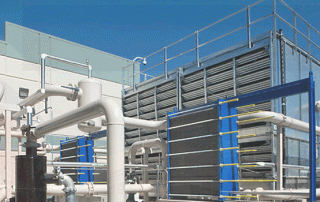
Data Center Cooling Solutions with DOWFROST™ LC Can your data center cooling system keep up with today’s high-density demands without compromising performance or uptime? Whether you're building a new data center or upgrading an existing one, Bond Water Technologies offers data center cooling solutions and is your trusted source for glycol and complete glycol system support. From selecting the right heat transfer fluid to turnkey installation, we offer everything you need—including glycol recovery, system cleaning, and new product pump installation. Based in the Washington, DC metro area, Bond Water Technologies has been delivering expert commercial and industrial water treatment since 1999. With over 25 years of experience, we are one of the largest independent regional water treatment companies in the Mid-Atlantic—and a proven partner to high-performance, mission-critical facilities, including modern data centers. From federal installations to private enterprise server farms, Bond Water understands that cooling performance, uptime, and system integrity are non-negotiable. That’s why we engineer tailored water treatment and heat transfer solutions that keep your systems clean, efficient, and scalable—especially as demands increase with AI workloads, edge computing, and GPU-dense environments. Cooling Challenges for Next-Generation Data Centers As workloads evolve with technologies like NVIDIA H100 GPUs, traditional air-cooled data centers are being pushed to their limits. Operators now face critical questions: How do you scale cooling without sacrificing reliability? What systems can handle densities exceeding 50–100 kW per rack? What fluids are safe, sustainable, and designed for long-term use? At Bond Water, we help clients navigate data center cooling solutions and challenges. Direct-to-Chip (DTC) liquid cooling combined with DOWFROST™ LC has emerged as a leading answer—delivering high-efficiency thermal management, equipment protection, and energy savings. Why Traditional Air Cooling Isn’t Enough Anymore Legacy air cooling systems (like CRAC/CRAH units) struggle to meet today’s demands: Up to 40% of data center power is spent on cooling Air systems max out around 50–80 kW rack densities Frequent filter/fan maintenance adds labor and cost Upgrades often require expensive retrofits and space compromises As compute loads and energy costs rise, liquid-based solutions offer better thermal efficiency, scalability, and space utilization.             Why DOWFROST™ LC + Bond Water = Smart Cooling Direct-to-Chip systems deliver fluid directly to processor cold plates and back to a Cooling Distribution Unit (CDU). When paired with DOWFROST™ LC 25, these systems offer: High thermal performance for racks exceeding 100 kW Modular scalability without overhauling infrastructure Reduced noise and footprint No immersion risk or specialized hardware requirements Non-conductive and corrosion-inhibited vs. water-based fluids Why We Recommend DOWFROST™ LC for DTC Systems Bond Water recommends DOWFROST™ LC 25 because it delivers unmatched protection and stability in mission-critical environments: USP-grade Dow PuraGard™ Propylene Glycol – Made from virgin raw materials to eliminate foam, odor, and breakdown Advanced corrosion inhibitor package – Safe for copper, brass, and yellow metals Freeze and burst protection – Ideal for rooftop, outdoor, or cold-climate installations Biostable and dye-marked – Prevents microbial growth and simplifies leak [...]
Data center cooling solutions2025-08-08T14:19:59+00:00
18 06, 2025

Commercial Cooling Tower Disinfection & Cleaning Services

2025-06-18T17:24:48+00:00

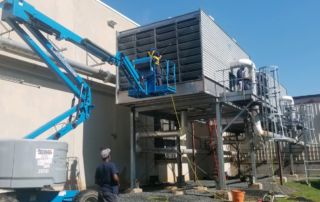
Commercial Cooling Tower Disinfection & Cleaning Services Protect Your Facility, Equipment, and People Routine cooling tower disinfection and cleaning services aren’t just recommended—they’re essential. Dirty or biologically contaminated towers can pose serious risks to your building systems, reduce equipment efficiency, and even contribute to Legionella outbreaks, endangering occupants. Our expert cooling tower cleaning services are designed for commercial, industrial, and institutional facilities that prioritize compliance, safety, and long-term performance. ✅ Why Regular Cooling Tower Disinfection and Cleaning Matters Reduces Legionella risk by removing biofilm, scale, and organic debris Maximizes HVAC efficiency and heat transfer performance Extends equipment lifespan and reduces costly repairs Helps meet ASHRAE 188 and local health code requirements Prepares your system for seasonal startup or shutdown 🧪 Our Cooling Tower Disinfection and Cleaning Process Pre-Cleaning Inspection We assess your tower’s condition and water quality to determine the right approach. Cooling Tower Disinfection Technicians will disinfect your cooling tower system with an EPA-registered oxidizing biocide based on your company’s scope of work or OSHA/CTI/ASHRAE guidelines. This is typically done within 5 days of the physical cleaning of the cooling tower. System Shutdown & Safety Prep Technicians isolate the tower and implement lockout/tagout procedures as needed. Mechanical Cleaning Removal of sludge, scale, and debris from basins, fills, drift eliminators, and other surfaces using manual and high-pressure equipment. Post-Cleaning Flush & Refill Fresh water and post-treatment steps are performed to ensure system readiness. 🏢 Who We Serve Commercial buildings & office parks Healthcare & life science facilities Manufacturing plants Data centers Schools & universities Hotels, casinos, and entertainment venues 📅 Recommended Cleaning Frequency At least twice annually (before startup and after shutdown) Quarterly in high-risk environments or where mandated by local regulations We also offer emergency cleanings for contamination events or Legionella detection. 📄 Compliance & Industry Standards ASHRAE Standard 188 CDC Legionella Toolkit Local and state health department guidelines Cooling Technology Institute (CTI) best practices 👷‍♂️ Why Choose Us 250+ years of combined water treatment expertise Advanced chemical treatments and mobile equipment Fully documented, turnkey service Discreet, professional, and on-time 📞 Schedule a Free Evaluation Protect your people and systems with professional cooling tower disinfection and cleaning. Contact us today for a no-obligation site evaluation and quote. For more information, please send an email to Info@Bondwater.com. You can also complete our Request for Information form below. Click Here To Contact Us Today!

Commercial Cooling Tower Disinfection & Cleaning Services2025-06-18T17:24:48+00:00
24 02, 2025

Case Study – HVAC Water Treatment For Schools

2025-02-25T15:11:32+00:00

Case Study: Transforming a County School System’s HVAC Water Treatment Program A Successful Partnership with Bond Water Technologies The Challenge: A large school district in Virginia partnered with Bond Water Technologies to overhaul their HVAC water treatment program—and the results have been outstanding. This system includes 33 schools with cooling towers and closed-loop systems and 43 additional schools with closed-loop only systems. Upon inspection, we identified several critical issues: 66% of the chemical feed systems were defective and were failing in one capacity or another. Chemical feed stations had leaking chemical spills and poor housekeeping. Cooling tower systems and chillers showed severe scaling buildup. Inadequate biocide treatment programs led to elevated bacteria counts. Lack of proper Legionella mitigation strategies. No routine scheduling with the customer and poor communication & data collection. Our Solution & Successes: Bond Water Technologies quickly developed a comprehensive water treatment program, addressing these issues with the following solutions: ✅ System Repairs & Inventory Management: We repaired all chemical feed systems and created a spare parts inventory to ensure ongoing system reliability. ✅ Safety & Compliance: Chemical feed stations were cleaned up, and SDS sheets were properly posted to maintain compliance. ✅ Improved Bacteria Control: Cooling tower bacteria counts were significantly reduced by transitioning to ATP monitoring, allowing for real-time responses to bacterial activity. ✅ Advanced Biocide Program: We switched to a more effective biocide program: Stabilized liquid bromine (oxidizing biocide) fed three days per week, maintaining 1–1.5 ppm of free chlorine for 4 hours. Isothiazoline (non-oxidizing biocide) fed weekly at 200 ppm with proper lockout times. ✅ Legionella Mitigation: Implemented a pre-cleaning disinfection and a post-cleaning disinfection using our Bond Provox treatment to prevent biofilm/sludge deposition. ✅ Proactive Maintenance & Reporting: Service visits were added to the county’s PM schedule and marked as completed after each visit. Our Bond 007 Reports provided analytical trending, enabling the customer to make informed decisions on repairs and system upgrades. The Customer’s Feedback: After one year of service, we received this message from the county’s facilities manager: “I wanted to take a second to pass along a comment from an email that one of our HVAC contractors sent that I believe speaks volumes for the work you all have done this past year. Noticed a very dramatic difference they are seeing on the cooling towers. He reports that the new chemical control is night vs. day compared to the prior service provider. They are seeing major scale elimination when the towers are getting cleaned, far more so than in previous years.” Thanks again for your continued efforts in bettering our water treatment program.” Looking for a Reliable Commercial Water Treatment Partner? If your organization needs a proactive and data-driven water treatment partner, Bond Water Technologies is here to help. Our expertise in cooling tower and closed-loop system maintenance ensures efficient, safe, and cost-effective operation. Contact us today by sending an email to Info@Bondwater.com.

Case Study – HVAC Water Treatment For Schools2025-02-25T15:11:32+00:00
15 10, 2024

Water Treatment Fall Maintenance Checklist

2025-02-22T21:57:59+00:00

Get Ahead Of Fall Maintenance With Bond's Fall Water Treatment Checklist!   Prepare Your Facility With Bond’s Expertise! As the colder months approach, now is the perfect time to ensure your facility is performing at its best. Bond Water Technologies is here to assist with Cooling System Lay-up Recommendations and our trusted services. Use our comprehensive Fall System Lay-up Checklist to keep your systems running smoothly and efficiently throughout the season. Here's How We Can Help:  Cooling System Lay-Up: Prepare your cooling system for winter storage now to avoid costly repairs and downtime due to corrosion and bacteria buildup in the spring.  Tower Turbo Cleaning Kits: Maximize cooling tower efficiency with our specialized cleaning kits. Algae Guards: Prevent biological growth and keep your water systems clear and clean. Heat Exchanger Cleanings: Enhance heat exchanger performance and extend its lifespan with professional cleanings. Legionella Testing: Stay compliant with health regulations and ensure safe water systems with expert Legionella testing. GSA Drinking Water Testing: Maintain high standards for drinking water quality with GSA-approved testing services. Contact Bond now to schedule your service and protect your facility for the upcoming season. Don’t delay—prepare your systems before the cold hits! Look for more detailed information about each service at the links above.

Water Treatment Fall Maintenance Checklist2025-02-22T21:57:59+00:00
19 06, 2024

GSA DRINKING WATER TESTING, SAMPLING & REPORTING GUIDELINE

2025-02-24T22:43:36+00:00

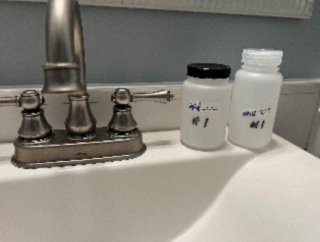
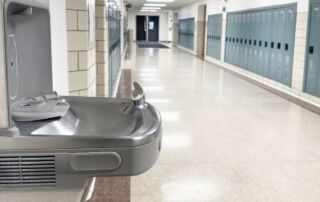
GSA DRINKING WATER TESTING SAMPLING & REPORTING GUIDELINES Basic GSA drinking water testing guidelines in identifying outlets.  Note: When it comes to GSA drinking water testing guidelines in smaller facilities where 10% calculates to less than 5 outlets/fixtures, a minimum of 5 outlets shall be tested.  If there are less than 5 applicable outlets/fixtures, then test all outlets/fixtures to reach your 5 minimum. This is the only instance where you would test bathroom sinks. Outlets with automatic mixing valves are excluded.  If a facility has less than a total of 5 outlets/fixtures where you fall short of the 5 minimum, just make a note of this in your summary report. Example:  The lease space has 16 sinks, 1 cafe sink, nurses office sink, 3 drinking fountains, 1 high low drinking fountain and 4 showers.  How many tests are needed? In this case, you would test a minimum of 5 outlets for all the water quality parameters (lead/copper, legionella, coliform), 1 shower for legionella only, and the nurse’s office sink for legionella only.  See more details on GSA drinking water testing below.                                                                                                                             Per GSA, tag out the outlet/fixture prior to testing for at least 8 hours and no more than 18 hours.  GSA recommended labels are recommended for the isolated outlet fixture (attached separately).  Recommend that they maintain their current flushing PM program in accordance with their Water Management Plan until the outlet/fixture is tagged out of service.                                                                                                                                    Identify all applicable outlets and locations. You will need a schematic of these locations along with the results at the tested outlets/fixtures. When pulling samples, do not flush the outlet/fixture. For showers, Child Care Centers, Health Units sample the hot water side for Legionella testing.  For the 10% water outlets/fixtures that are tested for Legionella, lead, copper, and total coliform your “first draw” should be for the metals sample with your “second draw” for the Legionella/coliform sample.                                                                                                                     Take pictures of the bar codes on the sample bottles and the corresponding outlet/fixture(s) that you have on the chain of custody. You will need these pictures for your GSA report that you send to the customer.                          [...]

GSA DRINKING WATER TESTING, SAMPLING & REPORTING GUIDELINE2025-02-24T22:43:36+00:00
24 03, 2024

Bond Water Technologies is Celebrating our 25th Year in Business

2024-03-25T22:10:48+00:00

Bond Water Technologies is celebrating our 25th year in business. We wish to pass on our sincere gratitude to all our customers and friends for their unwavering confidence, support, and trust. When our founders, John Peterson, and Matt Mallon, established Bond back in 1999 with just a mission statement and a handful of employees, it was barely possible to anticipate the transformation of Bond into one of the largest water treatment companies serving the Mid-Atlantic and Southeast region. Since our humble start, we have remained committed to providing quality products and services while building strong relationships with our customers. We are proud to have become a trusted name in this industry and to have worked with so many satisfied clients.  Bond is now proudly represented within the commercial, institutional, health care, food and beverage and light industrial market segments.  We have truly come a long way. We recognize that this accomplishment would not have been possible without the dedication of our employees, customers, and vendors. Your loyalty has been first class and a key to our success. We are grateful for your on-going support and our continued friendship. Thank you for your tremendous support over these many years and for being part of our journey. We truly value our partnership and look forward to celebrating our 25th anniversary together as we move through 2024.

Bond Water Technologies is Celebrating our 25th Year in Business2024-03-25T22:10:48+00:00
7 12, 2020

Legionella Prevention in Building Water Systems

2024-03-22T16:45:14+00:00

Legionella is a bacteria found in freshwater that, when spread through building water systems, can cause Legionnaires' disease when it comes into contact with humans. Also called legionellosis, this form of atypical pneumonia causes a host of unpleasant symptoms, including shortness of breath, nausea, high fever, headaches, muscle pains, vomiting, diarrhea, or even death. Legionnaires' disease is a serious illness that sends an estimated 8,000 to 18,000 people in the United States to the hospital each year. Fortunately, legionella growth can be avoided by taking the following measures to ensure the safety of building occupants. 1. Clean your heat exchanger. Since heat exchangers are used to transfer heat between fluids, regularly cleaning your heat exchanger is a sound measure to help avoid legionella growth. Keep up proper maintenance and replacements as necessary and according to heat exchanger and manufacturer recommendations. 2. Maintain a proper cooling water system. Invest in cooling tower cleaning services to maintain a healthy system. Know when you may need a cooling tower renovation or cooling tower refurbishment. 3. Use a reliable wastewater treatment service. Wastewater is one of the many water sources that can become contaminated with legionella. 4. Have a robust water management plan. Staying on top of all required maintenance is essential to preventing the growth and spread of legionella. Follow the CDC’s guidelines for an effective water management program. Make sure everyone involved in building maintenance is well-versed on the necessary measures to take in order to sustain safe, healthy water systems. Since legionella is typically spread by breathing in mist from infected water sources, any source of water can be potentially contaminated and should be maintained for safety. Hot tubs, fountains, and other seemingly harmless structures can be breeding grounds for legionella bacteria. Taking the time to keep up with all maintenance guidelines is crucial to ensuring the health and safety of all building occupants and employees.

Legionella Prevention in Building Water Systems2024-03-22T16:45:14+00:00
25 08, 2020

Evaluate and Reduce Your Wastewater Costs

2024-03-22T16:45:45+00:00

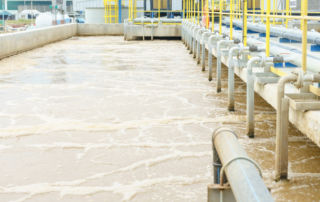
Reduce Your Wastewater Costs!    We are often asked to help evaluate and reduce a plants wastewater expenses. Whether they have clarifiers, generic settling tanks or dissolved air flotation systems, the common thread seems to be they are trying to get the water as “clean” as possible before sending it down the drain. The first thing we ask a prospect is how do they quantify if the treated water is OK to send down the drain. Typically we are told “we like to see clear water, almost like you drink it”. While this is fantastic, it is also a tremendous waste of your wastewater treatment chemicals. First, the POTW sets treatment levels – a top number not to exceed (NOV – Notice of Violation). These numbers are set based on what the POTW’s treatment facility can handle. Second, the POTW will have surcharges on certain things in your effluent. So not only are you paying to treat your wastewater at your facility, but you are also paying to treat your wastewater at their facility. Why in the heck would you want to spend a lot of money on specialty treatment chemicals to have your effluent so clean that you could “almost drink it” and on the back side you will still be surcharged? The key is to find a happy medium by producing an effluent that meets your permit and balances expenditures on your pretreatment chemicals and surcharges. OK, sounds great…..how do you do this?Common permit limits will be pH, BOD/COD, FOG and TSS. Typically, these all work hand in hand. If one of these is elevated, they all will be elevated (assuming that the BOD/COD is insoluble). First, your specialty chemical company needs to work with you to develop a few KPI’s (Key Performance Indicators) and provide monthly service visits (minimum) to verify your chemical feed rates by jar testing to ensure program success. Typically, pH will be critical to the performance of your coagulant/polymer along with a range in your effluent that is on your permit. So for pH you should have a KPI for the treatment process and a KPI for the effluent. The next KPI is measuring turbidity in your effluent and correlating to your TSS that is measured by the POTW. When the POTW has the composite sampler in your effluent, just ask them for a 10 ml sample so that you can test the turbidity and then you can correlate the turbidity with the TSS. Measuring pH and turbidity and a weekly control calibration will take only a few minutes and should be documented by your supplier. Bond Water has an on-line reporting system that allows the customer to input their readings along with additional notes that get emailed to various contacts within the account. This allows us to give additional oversight as a consultant and advise between service visits.Here's an example of jar testing and using [...]

Evaluate and Reduce Your Wastewater Costs2024-03-22T16:45:45+00:00
20 05, 2019

DAF treatment system advice projected to save client $150,000 per year in chemicals

2024-03-22T16:45:54+00:00

DAF treatment system advice turns a potential client into a Bond Water customer and saves them thousands of dollars in yearly chemical costs! John Dunford, Bond Water's regional manager for Southern Virginia,  and the Carolina’s is an expert in wastewater treatment. John's analysis and advice to this new Bond client will save an estimated $150,000 per year in chemicals and it will eliminate NOVs/surcharges. The below LinkedIn video post from John has been viewed over 66,750 times and shows why Bond Water Technologies has been known as an innovator in the water treatment industry for over 20 years.  We can handle all of your water treatment needs.  Cooling Water, Boiler Water, Lab/Legionella Testing, Wastewater, and HVAC Rehab! For water treatment updates and tips, follow Bond Water Technologies on LinkedIn by clicking here. We also encourage you to follow John on LinkedIn here by clicking here.

DAF treatment system advice projected to save client $150,000 per year in chemicals2024-03-22T16:45:54+00:00
Go to Top